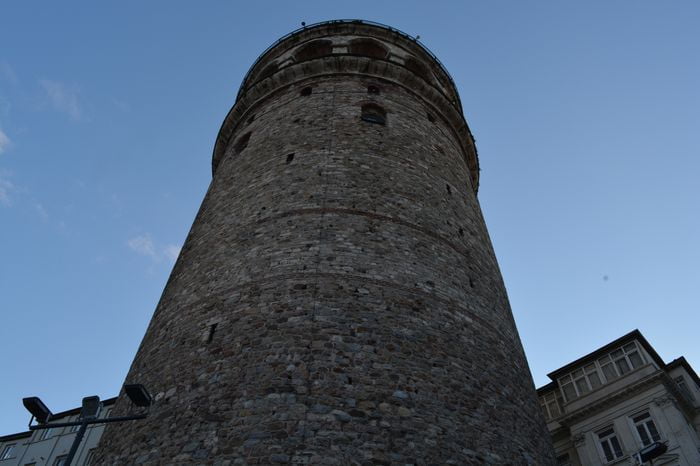
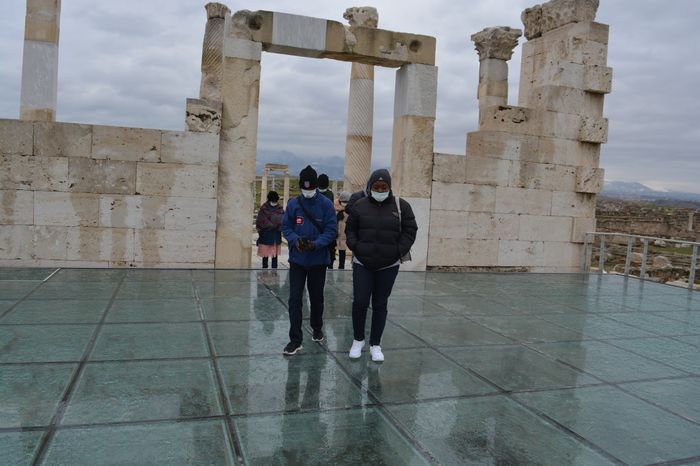
Between 1750 and 1815, the Ottoman Empire became increasingly connected to the world economy. By the second half of the nineteenth century, several factors encouraged trade and economic growth. Trade barriers were removed, new gold mines were discovered, and transportation and communication improved. At the same time, Europe was mostly free from major wars, making it safer to move goods, people, and money over long distances.
Even before the nineteenth century, trade was already extensive. Merchants from Anatolia traded with the Balkans and traveled as far as France and Spain. By the end of the eighteenth century, Ottoman trade expanded significantly. Peaceful international relations allowed the empire to secure trade routes and meet the growing demands of European industries Early Ottoman Documents and Mount Athos.
The political unrest in Europe, caused by the French Revolution (1789) and the Napoleonic Wars (1799–1815), created new opportunities for Ottoman producers and traders. During this period, Greek merchants and shipowners were particularly active. They played a central role in connecting Ottoman Anatolia with distant markets. This movement of goods also means that religious icons could travel along these trade networks, moving long distances before arriving in local communities in Anatolia.
Migration and Economic Networks
The expansion of trade also encouraged migration. More people moved to take advantage of new commercial opportunities. Families and merchants spread across different cities and countries to manage business networks. This migration strengthened social and economic connections in the Ottoman Empire, especially in border regions where trade was already established in the eighteenth century.
For example, a family from the island of Chios might have business operations in major European cities such as London, Paris, or Vienna. Different family members could live in these cities, managing trade and communication with other branches of the family back in Anatolia. This system of extended networks helped both commerce and cultural exchange, as people, ideas, and goods moved along these connections Daily Tour Istanbul.
Implications for Art and Icons
These trade and migration networks affected more than just commerce. They also influenced the movement of religious objects, including Greek-Orthodox icons. Icons in Anatolia may not have been produced locally; some could have traveled great distances along trade routes, following the same paths used by merchants and traders. This circulation helped spread artistic styles and devotional practices across regions, linking communities of believers through shared cultural and religious objects.
In conclusion, the integration of the Ottoman Empire into the world economy between 1750 and 1815 created a period of economic opportunity and mobility. Trade expansion, migration, and cultural exchange combined to produce a vibrant social and economic network. Greek merchants and other traders played a central role in these networks, which in turn influenced the movement of art and icons across Anatolia and beyond. These developments show how commerce and culture were closely connected in the Ottoman world.